The Pros and Cons of Plastic Surgery: A Clear-Eyed Look at Benefits, Risks, and Tradeoffs
Plastic surgery sits at the intersection of medicine, psychology, and culture. For some, it’s life-changing and restorative. For others, it introduces risks, disappointment, or a cycle of repeated procedures. A useful way to evaluate it is to separate intent, expected outcome, and risk tolerance—then look at how those align.
What We’re Talking About
Plastic surgery includes:
Reconstructive procedures (e.g., after trauma, cancer, congenital conditions)
Cosmetic procedures (e.g., rhinoplasty, facelifts, liposuction, breast augmentation)
The ethical and risk calculus can differ significantly between these two categories.
The Potential Benefits
1) Physical & Functional Improvement
Reconstructive procedures can restore function (e.g., breathing, mobility, wound closure) and reduce chronic discomfort.
2) Psychological Impact
When expectations are realistic, patients often report:
Increased confidence
Reduced self-consciousness
Greater social ease
Key nuance: these benefits are strongest when the concern is specific and long-standing—not when surgery is used to solve broader life dissatisfaction.
3) Control Over Aging or Appearance
Cosmetic surgery offers a sense of agency—slowing visible aging or refining features in ways that align with personal identity.
4) Career & Social Signaling (Often Unspoken)
In some industries, appearance can influence perception. Subtle procedures may affect how individuals are judged in professional or social contexts.
The Risks and Downsides
1) Medical Risks (Short- and Long-Term)
All surgery carries risk, including:
Infection
Bleeding or hematoma
Scarring (sometimes worse than expected)
Anesthesia complications
Nerve damage (temporary or permanent)
Poor wound healing
Procedure-specific risks also exist (e.g., implant rupture, fat embolism).
2) Psychological Risks
A critical but often underestimated dimension:
Results may not match expectations
“Feature fixation” can shift to another area
Some patients experience regret or identity discomfort
Underlying conditions like Body Dysmorphic Disorder can worsen after surgery
Second-order effect: surgery can reinforce the belief that self-worth is tied to appearance, which may increase long-term dissatisfaction.
3) Financial Cost
Procedures are expensive and often not covered by insurance (cosmetic cases)
Revision surgeries add cost
Maintenance procedures (fillers, lifts, implants) create ongoing financial commitment
4) Recovery & Lifestyle Disruption
Downtime ranges from days to weeks (or longer)
Pain, swelling, bruising are common
Results may take months to fully settle
This is often underweighted in decision-making.
5) Irreversibility & Uncertainty
Not all results can be undone
Healing varies by individual
Even with a skilled surgeon, outcomes are probabilistic, not guaranteed
The Hidden Variable: Expectations
Most outcomes hinge less on the procedure itself and more on expectation alignment.
Ask:
Am I trying to fix a specific feature or a general feeling?
What does “success” look like in measurable terms?
If the result is 70% of what I imagine, is that acceptable?
A More Strategic Way to Decide
Think in three layers:
1) First-Order: The Procedure
What will physically change?
2) Second-Order: The Aftermath
How will this affect my behavior, confidence, and identity?
Will it actually change the situations I care about?
3) Third-Order: The Trajectory
Will this lead to more procedures?
Does it anchor me in a loop of optimization?
When It Tends to Work Best
Clear, specific concern (not diffuse dissatisfaction)
Realistic expectations
Strong mental health baseline
Highly qualified, conservative surgeon
Willingness to accept tradeoffs
When to Pause or Reconsider
You’re seeking a major life change (confidence, relationships, purpose) through appearance alone
You feel urgency or pressure
You’ve had multiple procedures with diminishing satisfaction
A reputable surgeon advises against it
Plastic surgery is neither inherently good nor bad—it’s a tool. Its value depends on why it’s used, how well risks are understood, and whether the expected outcome truly aligns with what you’re trying to achieve.
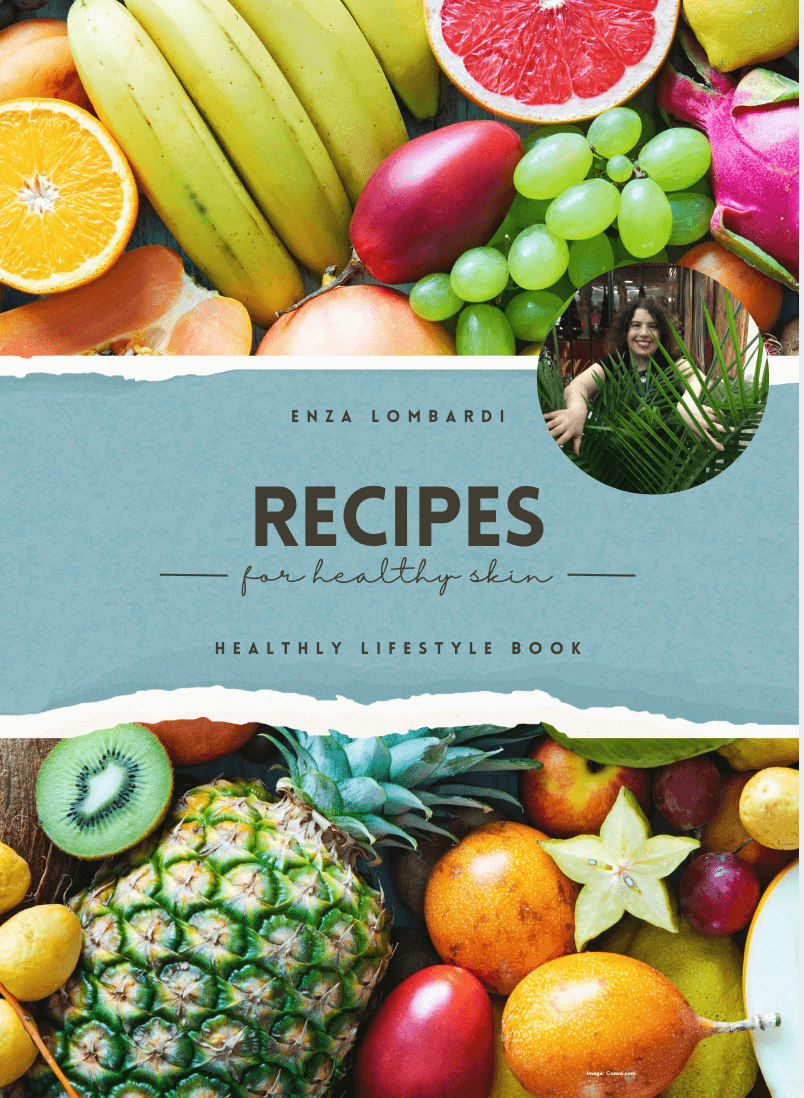
Download Your Free Sin-Loving Recipe book!
Get my free skin-loving recipe book when you sign up for our newsletter!
Categories
Newsletter
Subscribe to the newsletter and stay in the loop! By joining, you acknowledge that you'll receive our newsletter and can opt-out anytime hassle-free.